


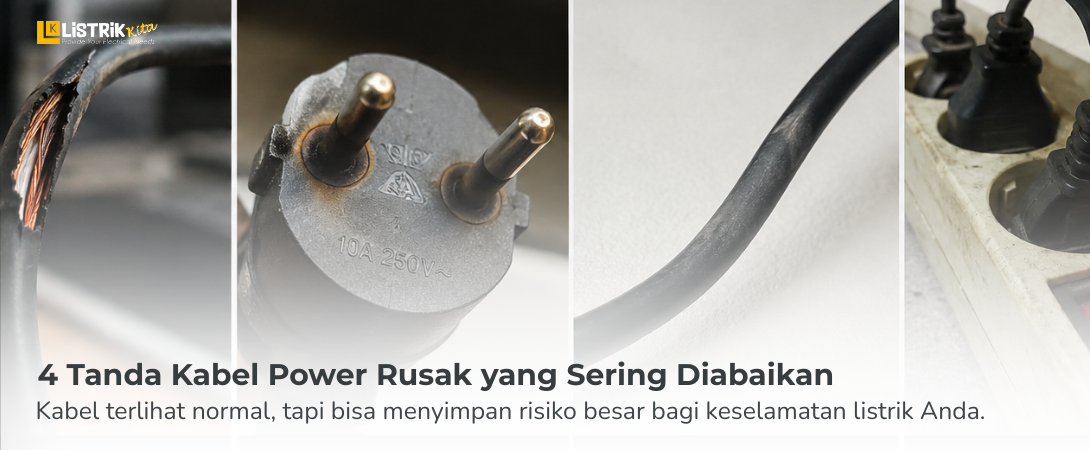
Power cables play a critical role in delivering electricity to electronic devices. When a cable becomes damaged, the electrical flow may be disrupted, leading to performance issues and potential safety hazards.
Recognizing warning signs early can help prevent more serious damage while reducing the risk of short circuits and electrical fires. Understanding the common symptoms of a faulty power cable is an important step in maintaining both safety and equipment reliability.
Exposed and Loose Power Cables
One of the most noticeable signs of cable damage is a worn or exposed outer jacket. This often happens due to aging, repeated friction, or excessive bending and pulling.
A loose connector can also indicate that the cable is no longer in good condition. Poor connections may result in unstable power delivery and can even create electrical sparks during operation.
Exposed wiring should never be ignored. When conductive materials are left uncovered, the risk of electric shock increases significantly, especially in areas where moisture may be present.
Internal Cable Breaks That Are Hard to Detect
Not all cable damage is visible from the outside. In many cases, the conductor inside the cable can break while the outer insulation still appears intact.
Common symptoms include devices working only when the cable is positioned in a certain way, intermittent charging, or sudden power loss when the cable is moved.
This type of damage usually develops when a cable is repeatedly bent at the same point or subjected to excessive tension. Over time, the internal conductor may fracture even though the outer layer shows no obvious signs of wear.
Electronic Devices Not Working Properly
A damaged power cable can directly affect the performance of connected equipment. When power delivery becomes inconsistent, electronic devices may start to malfunction.
Common issues include unexpected shutdowns, random restarts, or devices failing to operate normally. For computers and other sensitive equipment, unstable power can lead to data loss and reduced productivity.
In addition, irregular power flow may accelerate wear on internal components. Replacing a faulty cable early can help prevent expensive repairs and extend the lifespan of your equipment.
Insulation Damage and Fire Risks
Cable insulation serves as a protective barrier that prevents electrical leakage. Over time, insulation can deteriorate due to heat, humidity, chemicals, and environmental exposure.
Warning signs include hardened surfaces, cracks, discoloration, or a burnt smell coming from the cable. These indicators suggest that the insulation is no longer providing adequate protection.
As insulation continues to deteriorate, the likelihood of a short circuit increases. Electrical faults can generate excessive heat, which may lead to fire hazards, especially in systems without proper protection devices.
How to Prevent and Address Power Cable Damage
Routine inspections are one of the simplest ways to identify problems before they become serious. Regularly check the cable body, connectors, and connection points for signs of wear.
Avoid excessive bending, pulling the cable when unplugging, or continuing to use damaged cables. If damage is detected, replacement is usually the safest solution.
Choosing high-quality power cables is also an important investment. Products that meet recognized safety standards generally offer better durability and more reliable protection.
Damaged power cables can show various warning signs, including exposed wiring, loose connectors, internal conductor breaks, device performance issues, and insulation deterioration that may lead to fire hazards. Identifying these symptoms early can help prevent costly damage while improving electrical safety.
If you are looking for reliable power cables, electrical cables, and other high-quality electrical products, Listrik Kita offers dependable solutions for residential, commercial, and industrial applications. Choosing quality electrical equipment helps ensure a safer, more efficient, and longer-lasting electrical system.
