


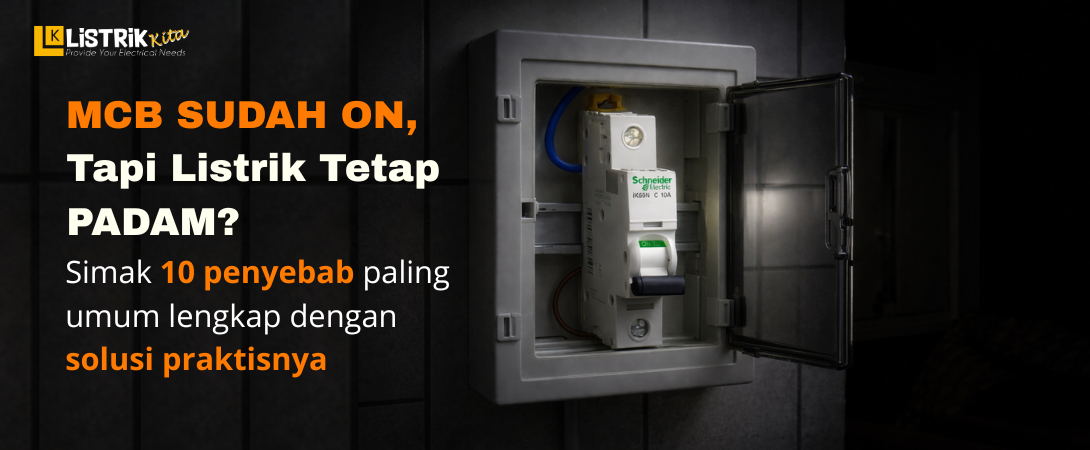
Have you ever experienced this confusing moment: the lights suddenly go out, you rush to check your electrical panel, but find all your circuit breakers are still in the "On" position? This situation often leaves you wondering what is actually happening and how to fix it. The phenomenon of a breaker being on while the power is off is more common than you might think and can be caused by various factors, from simple issues to serious problems with your home's wiring.
Understanding the cause of this problem not only helps you save time and repair costs but is also crucial for keeping your home safe from potential electrical hazards like fires or short circuits. This article will discuss the 10 main reasons why a breaker might remain on even though the power flow is interrupted, complete with easy-to-understand explanations and practical solutions you can try.
1. Problem with the External Power Supply
Often, the root of the problem comes from outside your home. The utility company's distribution network can experience sudden outages due to various issues, such as:
-
Damage to a transformer or power pole in your area.
-
A rolling blackout or network maintenance being performed without prior notice.
-
A fault on a single phase in a three-phase system supplying your home.
How to Check: Look at your neighbors' houses. If their power is also out, the issue is likely with the utility company's grid.
2. Internal Damage to the Circuit Breaker
A circuit breaker is an electromechanical device that can suffer internal damage even if its switch lever looks normal. Some possibilities are:
-
Worn-out or corroded metal contacts inside the breaker that can no longer conduct current.
-
A jammed or malfunctioning trip mechanism.
-
The breaker has simply exceeded its service life (typically 10-15 years depending on quality).
Warning Signs: The breaker switch feels loose when you flip it, or it makes a buzzing sound when operated.
3. Problems with Wiring or the Circuit Path
Faulty wiring can stop the flow of electricity even if the breaker is active. Consider these possibilities:
-
A wire broken inside a wall, possibly chewed by rodents or damaged by physical pressure.
-
Loose wire connections inside a junction box.
-
A wire with frayed insulation causing a localized short circuit.
Safety Warning: Do not attempt to open up in-wall wiring yourself if you are not experienced. This is dangerous and requires a qualified professional.
4. Mistakes in the Original Installation
Errors during the initial installation or later modifications can cause long-term issues:
-
The "hot" and "neutral" wires being swapped at a connection.
-
A breaker not properly secured on the DIN rail in the panel.
-
Installation that does not follow the National Electrical Code (NEC) standards.
5. Another Safety Device Has Tripped
Modern electrical systems have additional layers of protection:
-
A GFCI (Ground Fault Circuit Interrupter) outlet in a bathroom or kitchen that tripped due to moisture.
-
An AFCI (Arc Fault Circuit Interrupter) breaker designed to detect dangerous electrical arcs.
-
A main fuse that is still used in some older homes and may have blown.
6. Circuit Overload
Although a breaker should trip when overloaded, anomalies can sometimes happen:
-
The breaker's protective capability has diminished with age.
-
An unbalanced load distribution between phases in the system.
-
A very high "inrush current" from appliances like an air conditioner or refrigerator when they start up.
7. Loose Wire Connections
This is a classic cause that is often overlooked during checks:
-
Loose terminal screws on the breaker itself, caused by vibration or improper initial installation.
-
Loose or corroded wire nuts or other connections in boxes.
-
Loose connections at the main utility meter that may need tightening by the power company.
8. Issues Between the Meter and the Main Panel
The critical path connecting your utility meter to your home's main panel can have problems:
-
The connecting service wires are damaged or have frayed insulation.
-
The main breaker (the "incoming" breaker) is faulty, while the branch circuit breakers appear normal.
-
The electric meter itself has an internal malfunction.
9. Damage on the Distribution Path After the Breaker
After the main panel, other parts of the wiring can fail:
-
Wires running outdoors that are exposed to weather or animals.
-
Corrosion on terminals at various connection points.
-
Insulation damage from excessive heat or simply old age.
10. Substandard Breaker Quality
Not all circuit breakers are made to the same standards:
-
Counterfeit or poor-quality breakers that do not meet safety standards.
-
Products with false current ratings that do not match their actual capacity.
-
Old, used breakers that are past their optimal service life.
Safe Diagnosis and Solution
Before calling an electrician, you can safely perform these initial checks:
-
Ensure the problem is not from the utility company by checking with neighbors.
-
Inspect all breakers and safety switches by turning them fully off and then back on, one by one.
-
Unplug all appliances from outlets, then try resetting the breaker.
-
Listen for unusual buzzing or smell for a burning odor from the electrical panel, which indicates immediate danger.
If power returns after unplugging a specific appliance, that device is likely faulty and causing the issue. If the problem continues, contact a certified electrician immediately for a thorough inspection.
Long Term Prevention
To avoid recurring problems:
-
Have a qualified electrician perform a routine inspection of your electrical system every 3-5 years.
-
Replace circuit breakers that are over 10 years old.
-
Ensure the electrical load is balanced across different circuits.
-
Avoid overusing power strips or extension cords, which can overload a circuit.
The problem of a breaker being on while power is out often stems from inadequate component quality. Using cheap breakers might save on initial costs but risks recurring issues and endangers your home's safety. A high-quality breaker doesn't just cut power during a fault; it protects your entire wiring system and electronic appliances from permanent damage.
At Listrik Kita, we understand that every home has unique electrical needs. We provide a range of reliable circuit breakers from trusted brands with proper certifications, all proven for their performance. Don't let a minor electrical issue turn into serious damage or a fire hazard. With quality breakers from Listrik Kita, you can enjoy peace of mind knowing your home's electrical system is protected by the highest safety standards.
