


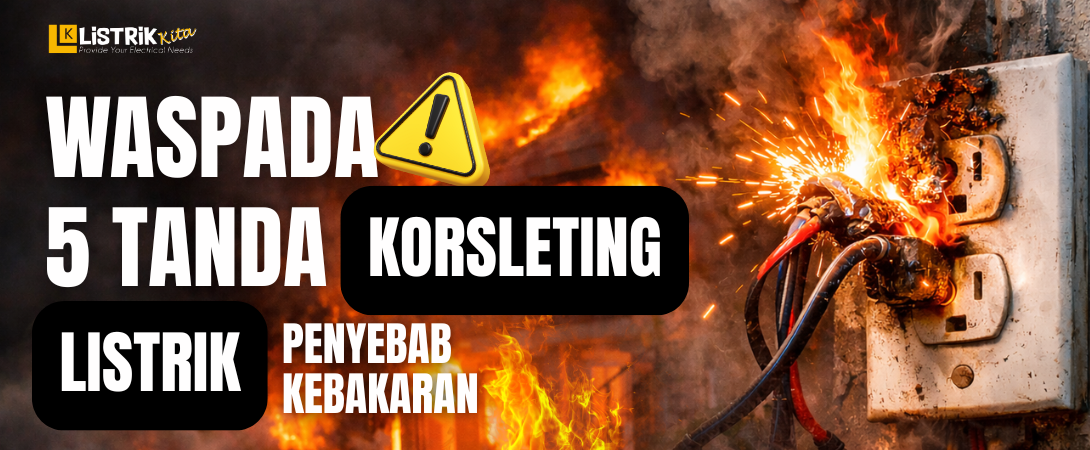
Electricity is the energy that powers modern life. However, behind all the convenience it provides, the danger of electrical short circuits is always lurking. An electrical short circuit, or short, is a leading cause of house fires. These incidents often begin with recognizable warning signs, but are frequently ignored until they result in significant damage. Understanding the signs of an electrical short circuit, recognizing the causes of an electrical short circuit, and knowing how to deal with and prevent them are crucial steps to protect your home and family. This article will discuss in detail the symptoms to watch out for and the practical steps you can take to address this threat.
Recognizing the Signs of an Electrical Short Circuit
Before a serious incident occurs, a home's electrical system usually shows early symptoms. These signs are warnings that should not be ignored, as they are direct indicators of problems with your wiring or electronic devices.
Unusual Burning Smell
One of the clearest indicators of a short circuit is a strong, pungent smell similar to burning plastic, rubber, or other electrical insulation materials. This smell comes from the protective coating on wires melting due to excessive heat from abnormal electrical current. If you notice a strange odor coming from an outlet, switch, or electronic device, be immediately alert and locate the source.
Vibration or Unpleasant Sensation from Switches and Outlets
Light switches or power outlets that vibrate, hum, or give a slight tingling or shock sensation when touched are danger signs. This condition often indicates loose electrical connections, worn-out wiring, or insulation problems causing current to leak.
Electronic Devices Become Very Hot, Very Quickly
Electrical appliances that suddenly become extremely hot in a short time, even when used normally, should raise concern. This overheating can be caused by overload, damaged internal components, or unstable power quality, which are common causes of an electrical short circuit.
House Lights Frequently Flicker or Dim
Lights that constantly flicker, dim momentarily, or change brightness unexpectedly are often dismissed as minor nuisances. However, this symptom can signal unstable power flow, poor wire connections, or an unbalanced load on a single circuit.
Small Popping Sounds or Sparks
A "crack," "pop," or sparking from an outlet is an emergency sign requiring immediate action. This symptom indicates electrical arcing, which produces extremely high heat and can directly start a fire.
Steps to Deal with and Prevent Electrical Short Circuits
After recognizing the signs, the next step is to take appropriate action to secure your electrical installation and prevent incidents from recurring.
Check and Replace Damaged Wires
Regularly check the condition of visible wires, including extension cords and appliance cables. Immediately replace wires that are frayed, cracked, or show signs of aging. Remember, using electrical tape is only a temporary fix, not a permanent solution.
Repair or Replace Problematic Outlets and Switches
Loose, physically cracked, discolored, or otherwise symptomatic outlets should be replaced immediately. The same goes for switches that feel warm to the touch.
Schedule Periodic Inspections by a Certified Electrician
Call a certified electrical technician at least once a year to inspect your home's entire electrical system. A professional inspection covers the electrical panel, grounding system, and the condition of hidden wiring that could be a cause of an electrical short circuit.
Avoid Overloading and Use Protectors
Do not overload a single outlet or circuit with too many appliances. Use outlets with surge protectors for sensitive electronic devices and unplug equipment when not in use.
Call an Expert for Serious Problems Immediately
If the problem is beyond your basic skills, such as issues with wiring inside walls or the main electrical panel, contact a professional immediately. Do not take risks by attempting to fix complex electrical problems yourself.
Avoiding the Causes of Electrical Short Circuits
Besides the symptoms, it is also important to be aware of the various common causes of an electrical short circuit. Factors such as inadequate installation, the use of substandard cables, damp environments, physical damage to wires, and mistakes in installing electrical devices can all trigger a short. Understanding these causes helps in taking more comprehensive preventative measures.
Vigilance and proactive action are the main keys to preventing disasters caused by electrical short circuits. By recognizing the signs, understanding the various causes of an electrical short circuit, and consistently applying preventative measures, you can create a safer home environment for all its occupants. Remember that investing in a good electrical system is an investment in safety. Ensure every component of your home's electrical installation, from MCBs (Circuit Breakers) and switches to outlets, is a high-quality, original product. To obtain trusted electrical products that guarantee safety and durability, visit Listrik Kita.
